 Pусский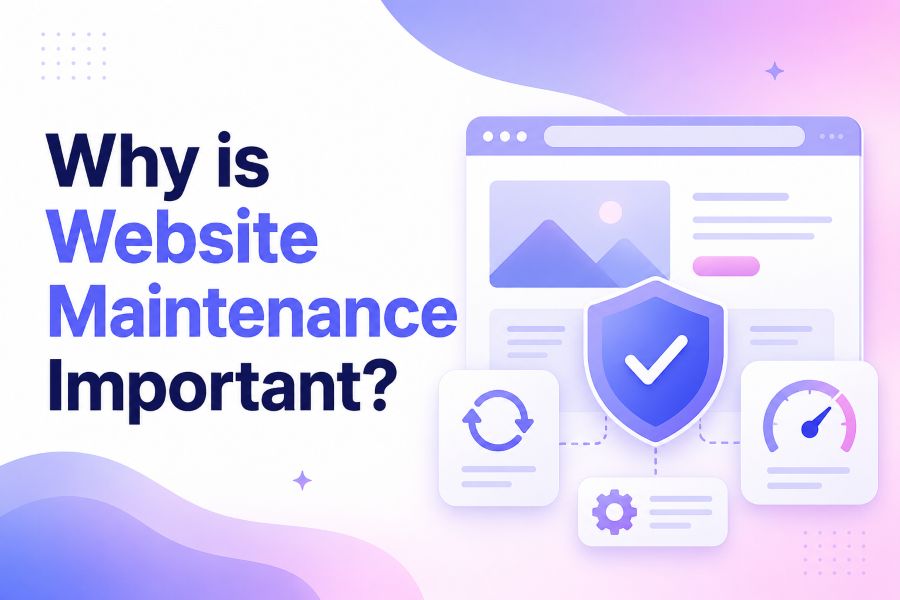
Why is website maintenance important for a business that already has a live website? Because your site does not stay secure, fast, accurate, or effective on its own. After launch, plugins need updates, pages become outdated, links break, forms stop working, search engines change, and visitors expect a smooth experience on every device. If you ignore these issues, your website can slowly lose traffic, leads, trust, and sales without showing one big obvious warning. Regular website maintenance helps you protect your business from security risks, poor SEO performance, slow loading speed, bad user experience, and expensive emergency fixes. It keeps your website useful for customers and valuable for your business.
Is Website Maintenance Important After Launch?
A website launch is only the beginning. Once your site goes live, real visitors start using it, search engines begin crawling it, bots may target it, and your business information can change. A site that was perfect on launch day can become outdated within months if no one checks it.
Website maintenance keeps your site aligned with your business goals. If your services, pricing, team details, product pages, contact information, or policies change, your website should reflect that quickly. Outdated information can confuse visitors and weaken trust.
Maintenance also protects the customer journey. A visitor may land on your homepage, read a service page, click a call button, fill out a form, or check your pricing. If any part of that path breaks, you may lose a lead without knowing it.
For small business owners, this matters because your website often acts as your first salesperson. It works all day, answers questions, builds confidence, and guides people toward action. If it becomes slow, unsafe, or inaccurate, it can hurt growth instead of supporting it.
If your website is already showing technical issues, a professional website maintenance service can help you create a regular plan for updates, backups, testing, and ongoing care.
A simple way to think about it is this: your website is not a finished file. It is a living business tool that needs routine attention.
What Website Maintenance Includes
Website maintenance is the ongoing process of checking, updating, fixing, and improving your website. It includes technical tasks, security work, content updates, SEO improvements, performance testing, and user experience checks.
The most common website maintenance tasks include:
- Updating plugins, themes, and CMS software
- Running malware and security scans
- Creating and testing website backups
- Fixing broken links and page errors
- Testing contact forms and checkout pages
- Checking website speed and mobile performance
- Refreshing outdated content
- Reviewing title tags and meta descriptions
- Monitoring search traffic and indexing issues
- Checking accessibility and usability
- Reviewing analytics and conversion paths
These tasks work together. A backup protects you if something breaks. Security updates reduce risk. Speed improvements keep visitors engaged. Content updates help readers trust your information. SEO maintenance helps search engines understand your pages.
Website maintenance also includes prevention. Instead of waiting for a form to fail or a page to disappear, you check important parts of the site before they create business damage.
Must-Know Tip: Do not think of maintenance as “just updates.” A complete plan should cover security, speed, SEO, content, backups, mobile experience, and lead generation.
The SAFE Growth Website Maintenance Framework
The SAFE Growth Website Maintenance Framework is a simple method for understanding what matters most. SAFE stands for Security, Accuracy, Functionality, and Experience. Growth is the result of keeping these four areas healthy over time.
Security
Security means protecting your website from malware, outdated software, weak passwords, spam users, and suspicious activity. This includes plugin updates, firewall settings, SSL checks, user role reviews, and malware scans.
If your site uses WordPress, security maintenance is especially important because plugins and themes often release updates to fix known vulnerabilities. Ignoring those updates can leave your site exposed.
Accuracy
Accuracy means keeping your content current. Your service details, pricing notes, product descriptions, contact information, business hours, testimonials, and policies should match your real business.
Outdated content can hurt trust. It can also weaken SEO if your pages no longer match what searchers expect.
Functionality
Functionality means checking that the important parts of your website work. Forms should submit correctly, checkout should process orders, buttons should lead to the right pages, and email notifications should reach the right inbox.
A website can look fine while hidden features are broken. That is why testing is part of maintenance.
Experience
Experience means your website should be fast, mobile-friendly, easy to navigate, and simple to understand. Visitors should be able to find answers quickly and take action without confusion.
The maintenance formula is:
Website Maintenance Value = Security Protection + Performance Improvement + SEO Stability + Lead Protection + Lower Repair Costs
This formula shows why maintenance affects more than technical health. It protects the business value of your website.
How Maintenance Protects Security, Speed, SEO, and Leads
Website security maintenance protects your business from common risks. Hackers often target outdated plugins, weak admin accounts, old software, and websites with poor monitoring. Even a small business website can be attacked if it has known weaknesses.
Security work should include malware scans, software updates, login protection, backup checks, SSL review, and user account cleanup. Tools like Wordfence, Sucuri, Cloudflare, and the WordPress dashboard can help monitor common risks.
Performance maintenance protects speed. Large images, unused scripts, heavy plugins, poor hosting, and messy databases can slow a website over time. PageSpeed Insights and Lighthouse can show where your site needs improvement.
If speed is already hurting your user experience, a focused website speed optimization page or service can help you understand what needs to be improved, such as image size, caching, hosting, scripts, and Core Web Vitals.
SEO website maintenance protects visibility. Search engines need clean, fast, useful, and crawlable pages. Broken links, missing metadata, redirect errors, thin content, duplicate pages, and slow loading can make your site harder to rank.
Google Search Console, Google Analytics 4, Screaming Frog, Ahrefs, and Semrush can help you find indexing issues, traffic drops, broken links, and content opportunities.
Lead protection is just as important. A contact form, quote form, booking calendar, checkout page, or newsletter signup can stop working after an update or tool change. If you do not test these features, you may lose leads without realizing it.
Must-Know Tip: Test your main conversion path every month. Submit a form, complete a test checkout if relevant, check the thank-you page, and confirm that the notification email arrives.
Website Maintenance Checklist for Small Business Owners
A practical website maintenance checklist helps you stay organized. You do not need to do every task every day, but you do need a repeatable system.
Weekly checks should focus on urgent issues. Confirm that the site is online, review security alerts, check recent backups, test key forms, and look for obvious layout problems.
Monthly checks should go deeper. Update plugins and themes safely, test page speed, review Google Search Console, check broken links, update important content, and review analytics.
Quarterly checks should focus on strategy. Review service pages, pricing information, calls to action, mobile usability, accessibility, internal links, and conversion performance.
A simple schedule can look like this:
- Weekly: uptime, backups, security alerts, key form testing
- Monthly: updates, speed checks, broken links, SEO review
- Quarterly: content refresh, accessibility review, conversion testing
- Annually: hosting review, design review, full technical audit
SEO maintenance deserves its own attention. If your traffic drops, your rankings change, or old pages stop performing, you may need stronger content updates and technical improvements. A dedicated SEO services page can support deeper work such as keyword mapping, on-page fixes, internal linking, and search performance reviews.
Website maintenance for small business is not about doing everything at once. It is about knowing which tasks protect security, traffic, and leads first.
Common Website Maintenance Mistakes to Avoid
Many website owners wait until something breaks before they think about maintenance. That approach often leads to higher costs, rushed decisions, and avoidable downtime.
One common mistake is updating a live website without a backup. Updates can conflict with plugins, themes, or custom code. If you have no backup, a small update can become a major problem.
Another mistake is relying only on automatic updates. Automation is helpful, but it does not replace testing. Your site may update successfully but still break a form, layout, or checkout step.
Website owners also forget content maintenance. Old blog posts, outdated service pages, expired offers, and old screenshots can make your site feel neglected. Search engines and visitors both value content that stays useful.
Poor plugin management is another issue. Too many plugins can slow your site and increase security risk. Remove tools you no longer use and avoid installing multiple plugins that do the same job.
You should also avoid ignoring mobile. A desktop page can look clean while the mobile version has small buttons, crowded forms, slow images, or popups that cover the screen.
If you are not sure where to begin, start with the tasks that carry the highest risk: backups, security updates, form testing, speed checks, and important content updates.
DIY Website Maintenance vs Professional Support
You can handle some website maintenance yourself if your site is simple and you understand the basics. Many business owners can update text, check links, test forms, review analytics, and upload new images without outside help.
However, professional support becomes more useful when your website is tied to revenue. If your site generates leads, processes payments, uses many plugins, has custom code, or needs strong SEO performance, mistakes can cost more than maintenance itself.
DIY may work if:
- Your website is small
- You do not process payments
- You use only a few plugins
- You understand backups
- You can test changes safely
- You have time for monthly checks
Professional support is better if:
- Your website generates regular leads
- You run an e-commerce store
- You use booking or membership tools
- You need technical SEO support
- You cannot risk downtime
- You want regular reporting
A hybrid approach often works best. You can handle small content edits while a developer or website maintenance provider manages updates, security, backups, performance checks, and technical fixes.
If your website already has issues or you want a maintenance plan tailored to your business, your contact page should make it easy for visitors to request help, ask questions, or book a website review.
Tools That Help With Website Maintenance
The right tools make website maintenance easier and more reliable. You do not need every platform, but you should use tools that match your website type and business goals.
Google Search Console helps you monitor indexing, search performance, page issues, and crawl problems. Google Analytics 4 helps you understand traffic, user behavior, and conversion activity.
Google PageSpeed Insights and Lighthouse help you check website speed, mobile performance, accessibility, and technical quality. These tools are useful when you want to find performance issues before visitors complain.
Screaming Frog can help scan your website for broken links, missing title tags, redirect problems, and duplicate content. Ahrefs and Semrush can help with keyword tracking, backlinks, content gaps, and SEO audits.
For WordPress websites, the WordPress dashboard helps manage updates, users, plugins, and themes. UpdraftPlus and BlogVault can support backups. Wordfence and Sucuri can help with malware scans and firewall protection.
Cloudflare can help with DNS, security, caching, and performance support. It is especially useful for websites that need extra protection and faster delivery.
The best tool is the one you actually use consistently. A simple monthly checklist with a few reliable tools is better than a long list that no one follows.
Conclusion
Website maintenance matters because your website affects security, SEO, speed, trust, leads, user experience, and long-term business costs. A neglected website can become slow, unsafe, outdated, and harder to find in search. It can also lose leads through broken forms, poor mobile layouts, and weak conversion paths.
The practical next step is to create a simple maintenance routine. Start with backups, security updates, malware scans, speed checks, form testing, content reviews, and SEO monitoring. Then add deeper technical audits, accessibility checks, and conversion reviews as your website grows.
A website should support your business every day. Regular maintenance keeps it reliable, useful, and ready for growth instead of letting small problems quietly turn into bigger ones.
FAQs
Why Is Website Maintenance Important for Small Businesses?
Website maintenance is important for small businesses because their websites often support leads, calls, bookings, and sales. Regular maintenance helps prevent security issues, broken forms, outdated content, slow pages, and SEO problems that can hurt growth.
How Often Should A Website Be Maintained?
Most business websites should be checked at least monthly. High-traffic websites, e-commerce stores, membership sites, and lead-focused websites may need weekly checks for security, backups, forms, performance, and checkout features.
Does Website Maintenance Improve SEO?
Yes, website maintenance can improve SEO by keeping pages fast, updated, crawlable, and technically clean. It helps fix broken links, update metadata, refresh old content, improve internal links, and resolve indexing issues.
What Happens If I Do Not Maintain My Website?
If you do not maintain your website, it can become slow, outdated, insecure, and difficult to use. You may also lose search visibility, miss leads, face broken forms, experience downtime, or pay more for emergency repairs later.
Can I Do Website Maintenance Myself?
You can do basic maintenance yourself if your website is simple and you understand updates, backups, and testing. For complex websites, e-commerce stores, or lead-focused sites, professional support is often safer and more reliable.
What Should Be Included In A Website Maintenance Plan?
A website maintenance plan should include security updates, backups, malware scans, speed checks, broken link fixes, content updates, SEO reviews, mobile testing, form testing, analytics review, and regular reporting.